


Understanding the psychological triggers behind gambling behavior
The allure of risk and reward
Gambling often draws individuals in with the promise of a significant reward for a relatively small risk. This interplay between risk and reward taps into fundamental psychological principles. The excitement of potentially winning money can activate the brain’s reward pathways, leading to feelings of euphoria and pleasure. This phenomenon, known as the « near-miss effect, » can create a compelling cycle where players feel motivated to gamble again after a close loss, believing they are on the verge of a win. You can find detailed insights in our payid casino guide that underscores this notion.
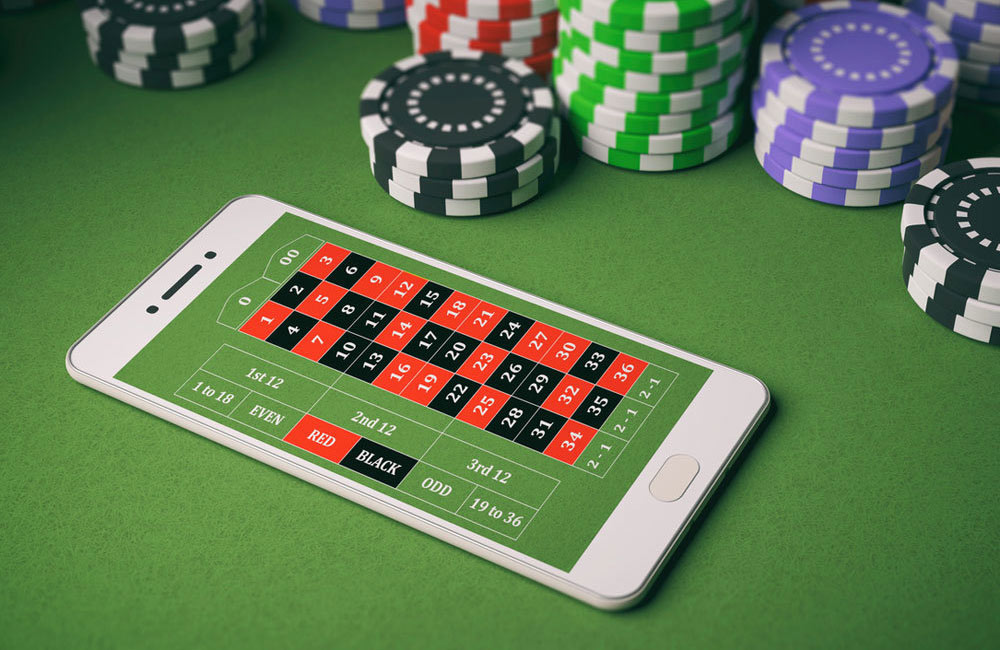
The anticipation of a possible win releases dopamine, a neurotransmitter associated with pleasure, reinforcing the behavior. Many gamblers mistakenly believe that luck is on their side, which can lead them to increase their wagers or gamble more frequently. This cognitive bias often contributes to the escalation of their gambling behavior over time.
The impact of cognitive biases
Cognitive biases significantly influence gambling behavior by distorting decision-making processes. One common bias is the « gambler’s fallacy, » where individuals believe that past outcomes affect future results. For example, a player might think that after several losses, a win is « due, » leading to increased betting. This misconception can fuel excessive gambling, as players chase losses or seek to reaffirm their belief in favorable outcomes.
Emotional factors in gambling behavior
Emotions significantly affect gambling behavior, with individuals often using gambling as a coping mechanism for stress, anxiety, or depression. The temporary escape that gambling provides can create a cycle where individuals turn to it during challenging times, further entrenching their habits. Gambling can serve as a distraction from negative feelings, providing brief relief and momentary pleasure.
The social environment’s influence
The social context in which individuals gamble can profoundly impact their behavior. Social norms and peer influences often shape gambling habits, with individuals feeling pressured to participate or conform to group behaviors. In settings where gambling is normalized, such as casinos or among friends, individuals may be more likely to gamble excessively due to the perceived social acceptability.

Conclusion and exploration of modern gambling platforms
Understanding the psychological triggers behind gambling behavior is essential for both players and those seeking to offer responsible gambling environments. The interplay between risk, cognitive biases, emotional factors, and social influences shapes how individuals approach gambling. By recognizing these elements, players can make more informed decisions about their gambling habits.