


Everything You Need to Know About Gaming in Africa
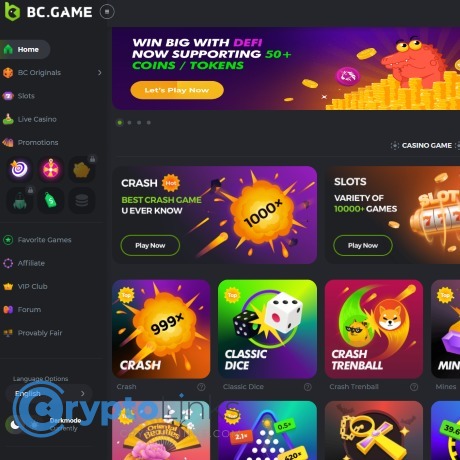
The gaming industry, while often associated with the bustling tech scenes of North America and Europe, has found fertile ground in Africa. As a continent brimming with potential, Africa’s gaming landscape is multifaceted, exhibiting a unique blend of culture, creativity, and technological evolution. In this article, we will delve into everything you need to know about gaming in Africa, including its history, current trends, challenges, and future prospects. For an in-depth exploration of gaming initiatives, you can visit Everything You Need to Know About BC.Game Africa about BC Game in Africa.
History of Gaming in Africa
The gaming history in Africa can be traced back to the advent of arcade games in the late 1980s and 1990s. Urban centers saw the proliferation of gaming cafes, where youths gathered to play arcade classics. However, it wasn’t until the rise of mobile technology in the 2000s that a significant shift occurred. The rapid adoption of smartphones brought mobile gaming to the forefront, allowing more people access to games than ever before.
The Current Gaming Landscape
Today, Africa’s gaming industry is growing at an unprecedented rate. Major players in this field are both domestic and international companies aiming to tap into this promising market. Countries like South Africa, Kenya, and Nigeria are leading the charge with a surge in game development studios and gaming events.
Recent statistics reveal that the African gaming market is projected to reach a value of $1 billion by 2025, driven largely by mobile gaming. In 2022 alone, over 186 million video gamers were registered across the continent. This surge in numbers indicates not only a growing interest but also the potential for future investment and growth.
Popular Genres and Platforms

African gamers show a preference for various genres, including action, sports, and simulation games. The popularity of mobile games, particularly those tailored to local cultures and languages, cannot be overstated. Titles like “Fruit Chop” and “Kiddies Game” are examples of successful local adaptations that resonate with African audiences.
In terms of platforms, mobile gaming dominates, followed by PCs and consoles. The launch of affordable smartphones has significantly contributed to mobile gaming’s popularity, allowing independent developers to reach a broader audience with lower development costs.
Challenges Facing the African Gaming Industry
Despite its growth, the gaming industry in Africa faces numerous challenges that can hinder progress. Connectivity issues, particularly in rural areas, can limit access to online gaming. Additionally, a lack of infrastructure and funding for game development poses significant obstacles for aspiring developers.
Regulatory challenges also play a significant role. Many countries have yet to establish clear policies regarding gaming, affecting everything from copyrights to content regulation. Moreover, social stigma surrounding gaming in certain communities can lead to a lack of support for passionate developers and gamers alike.
The Role of Esports
Esports have gained incredible traction across Africa, with numerous tournaments attracting sponsors and elite players. Countries like Ghana, Nigeria, and Kenya have embraced this competitive gaming culture, establishing leagues and communities that encourage player participation.
Events like the African Cyber Games have become platforms for promoting talent and fostering community. This competitive landscape not only showcases skill but also helps to dismantle stereotypes associated with gaming, illustrating it as a viable career path for many.

Future Prospects
The future of gaming in Africa is bright, with trends indicating continuous growth and evolution. With an increasing number of investors recognizing the market’s value, more funding opportunities are likely to emerge. We can expect to see more game developers, increasing diversity in game types, and an expansion of gaming communities accessible to different demographic groups.
As connectivity improves, especially with the rollout of 5G, gaming experiences will become more immersive and accessible. Furthermore, collaboration between local and international developers can lead to boundless opportunities, offering gamers access to a wider range of content.
The Importance of Community Engagement
Community involvement is crucial for the growth of gaming in Africa. By supporting local developers, gamers can help to create a thriving ecosystem filled with rich content that speaks to African experiences. Gaming communities can promote events, discussions, and content creation, which in turn can drive interest and participation from a wider audience.
Furthermore, the use of social media platforms can enhance visibility for African games and tournaments, fostering a sense of pride in local achievements and stories. Recognizing local successes can ignite motivation in young developers, encouraging them to pursue careers in game development.
Conclusion
The gaming industry in Africa is undeniably on the rise, characterized by rich cultural narratives, technological advancements, and a vibrant community. Although challenges exist, the resilience, creativity, and passion of African gamers and developers suggest a promising future. Through collaboration, investment, and community support, Africa’s gaming landscape will continue to grow, evolving into one of the most dynamic markets in the global gaming industry. As we look to the future, it is vital to continue nurturing this potential, harnessing the power of gaming to entertain, educate, and unite people across the continent.